
Metroplan awards $1.675 Million in federal transportation grants to six Central Arkansas projects
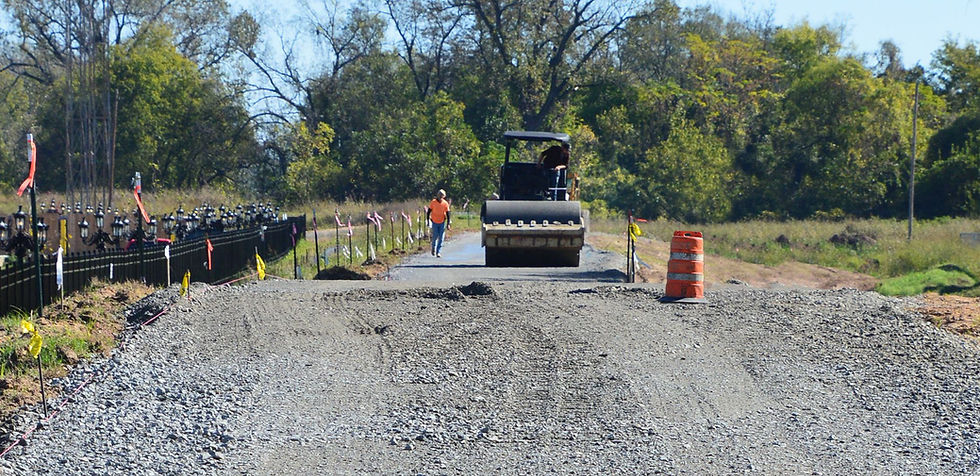
The Metroplan Board of Directors has announced the award of $1,675,000 in Transportation Alternatives Program (TAP) funding to six projects across Central Arkansas, reinforcing the region’s commitment to safer, more connected communities.
TAP is a federal-aid transportation program administered by the Federal Highway Administration that supports projects aimed at expanding transportation choices and enhancing infrastructure. In Central Arkansas, Metroplan oversees the competitive application and review process, awarding funds to qualifying projects submitted by its member jurisdictions.
Applications for TAP Federal Fiscal Year (FFY) 2027 funding were received on January 9, 2026, and evaluated in accordance with Metroplan policies and at the direction of the Board. All awarded projects are required to meet the program’s minimum 20 percent local funding match.
The six selected projects highlight Metroplan’s continued investment in bicycle and pedestrian infrastructure, multimodal safety enhancements, and intersection improvements throughout the region.
Awarded Projects
Benton – Design of Alcoa Trail Phases 1 & 2 – $335,000
Bryant – Design of Midland Park to Highway 5 Trail – $270,000
Cabot – Design of Cabot Greenway Phase 3 – $65,000
Maumelle – Construction of Woodland Drive Trail and Intersection Improvements – $335,000
Pulaski County – Construction of Southeast Trail Phase 2 – $335,000
Sherwood – Design of Woodruff Creek Trail – $335,000
These projects span both the design and construction phases, demonstrating a balanced approach to advancing future trail systems while completing critical infrastructure improvements. Collectively, they aim to enhance connectivity, improve safety for cyclists and pedestrians, and expand multimodal transportation options throughout Central Arkansas.
By leveraging federal funds with local investment, Metroplan and its partner communities continue working toward a regional transportation network that supports accessibility, safety, and quality of life for residents across the metropolitan area.


Comments